The Júní design sprint: developed and tested in four days
The Júní design sprint is a four-day process designed to tackle the main challenges that come up in digital product development, through design, prototyping and user testing.
Guðmundur Bjarni Sigurðsson
Why do a design sprint?
Many companies know what it's like to spend months or even years developing and producing a product that, when all is said and done, doesn't deliver the results they'd hoped for. To avoid this, it's important to put the idea to the test as early as possible and see whether it meets the company's business goals and users' needs.
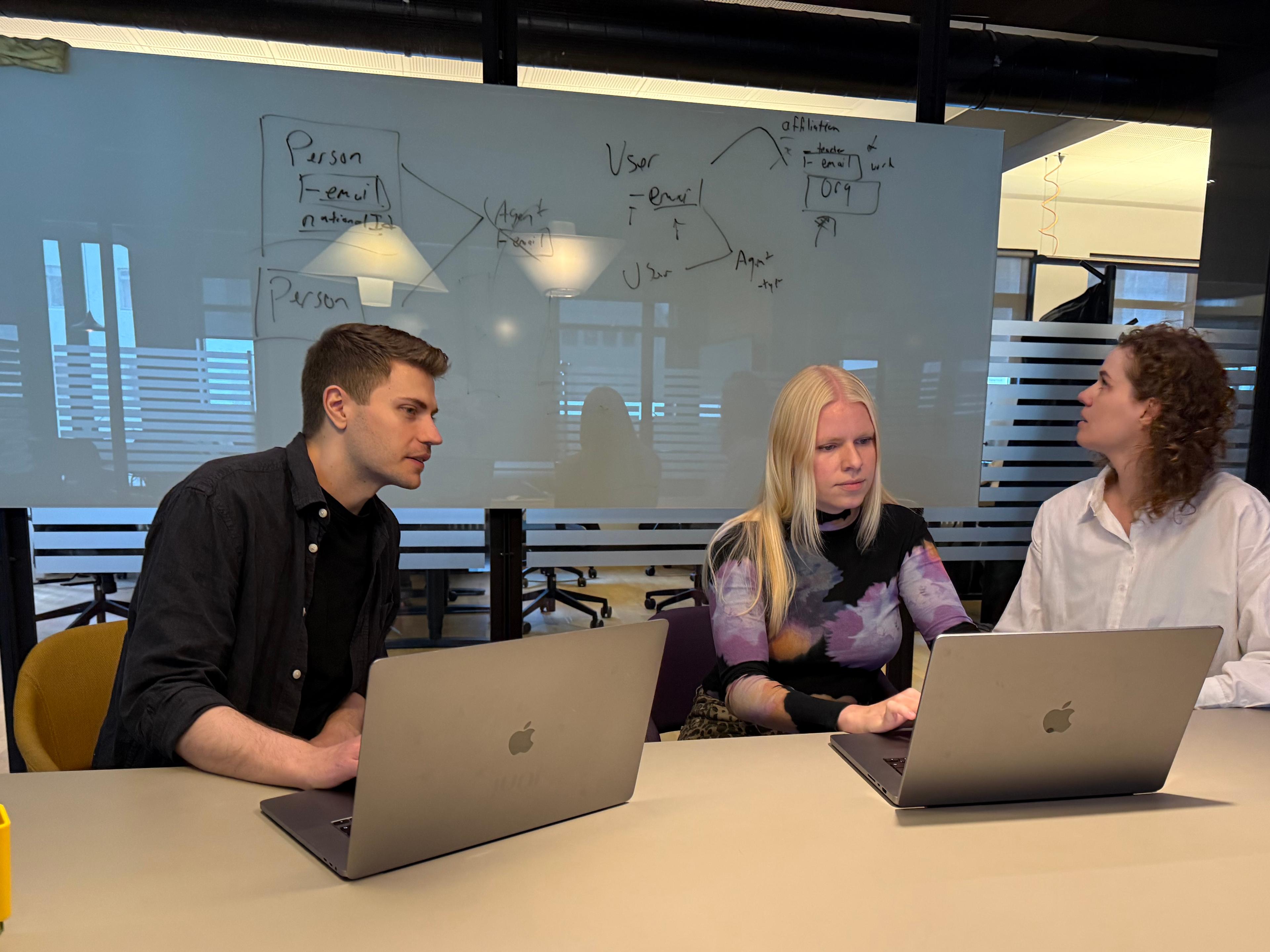
With a design sprint, we can find out in just four days whether an idea is likely to hit its goals, and get feedback from users quickly and reliably.
The Júní design sprint focuses on digital products, such as websites and apps, and builds on a methodology used successfully all over the world to maximise quality and minimise risk when developing a product and bringing it to market.
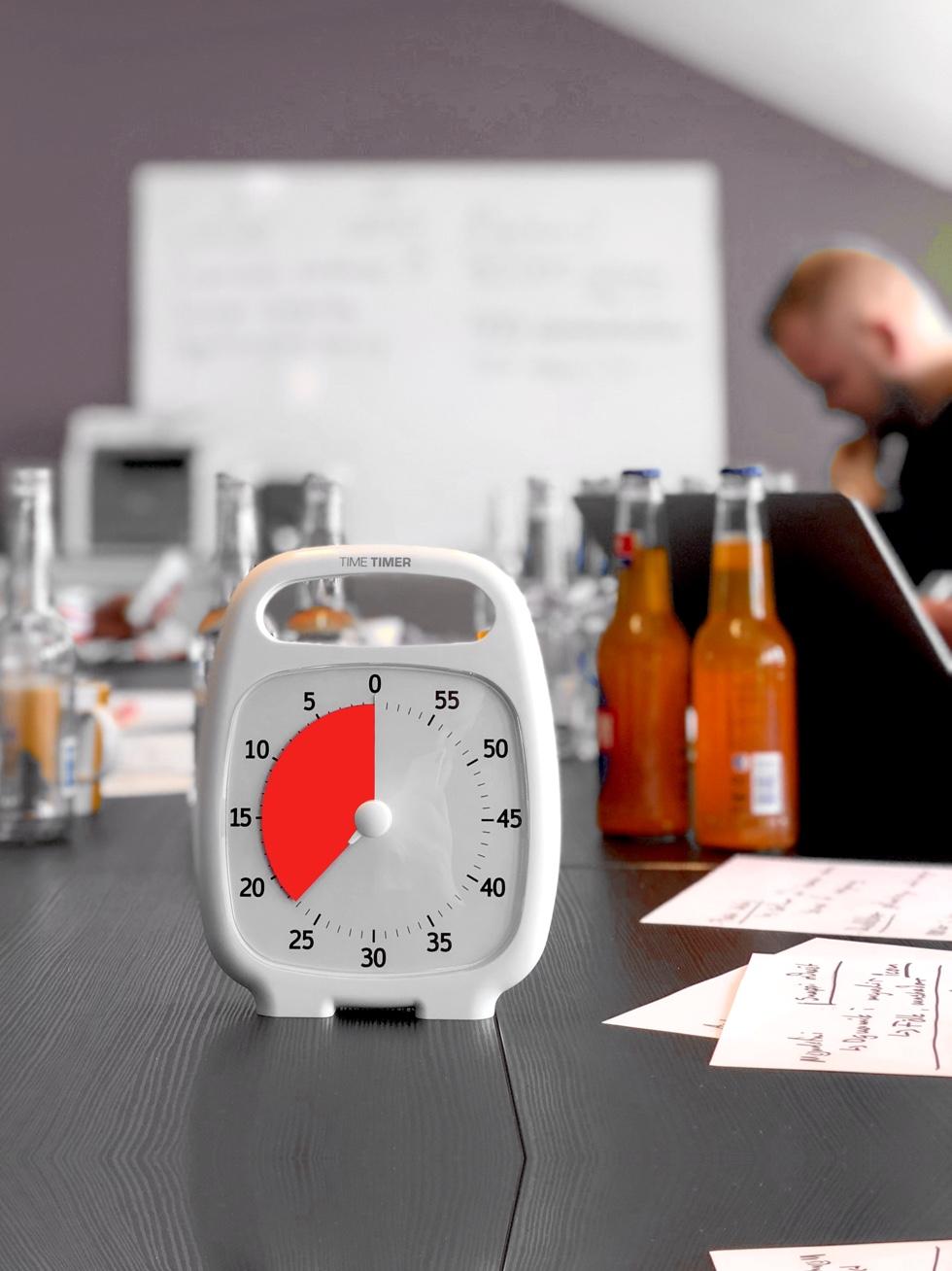
Day one: seeing the big picture
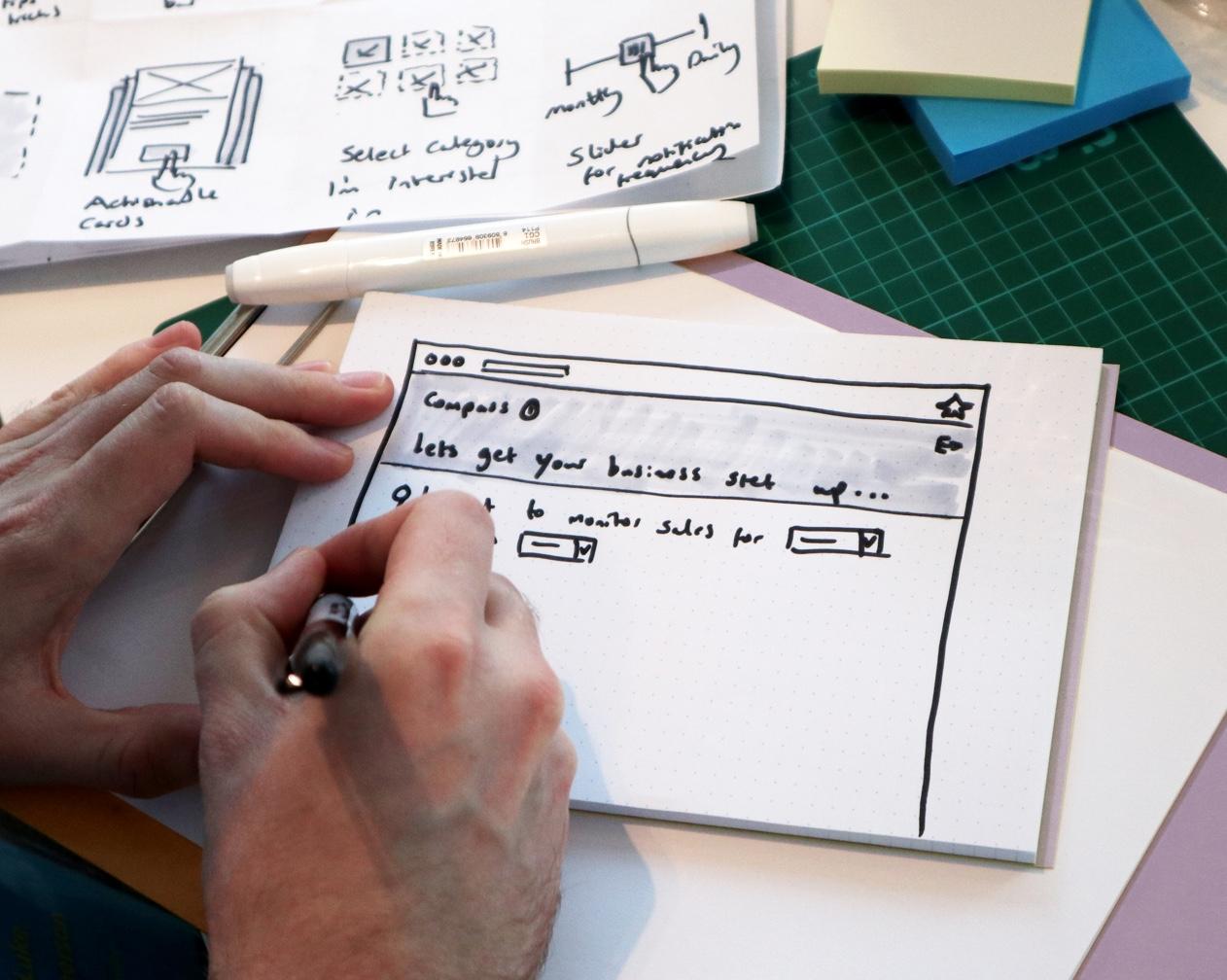
On day one, we define the challenges using a method that helps us spot the opportunities hidden inside them. We also set our goals and make a first draft of the user flow. To reach a decision, we hold a vote that the whole team takes part in.
Today's tasks:
– First draft of the user flow
– Write, doodle, sketch and draw
Day two: making the call
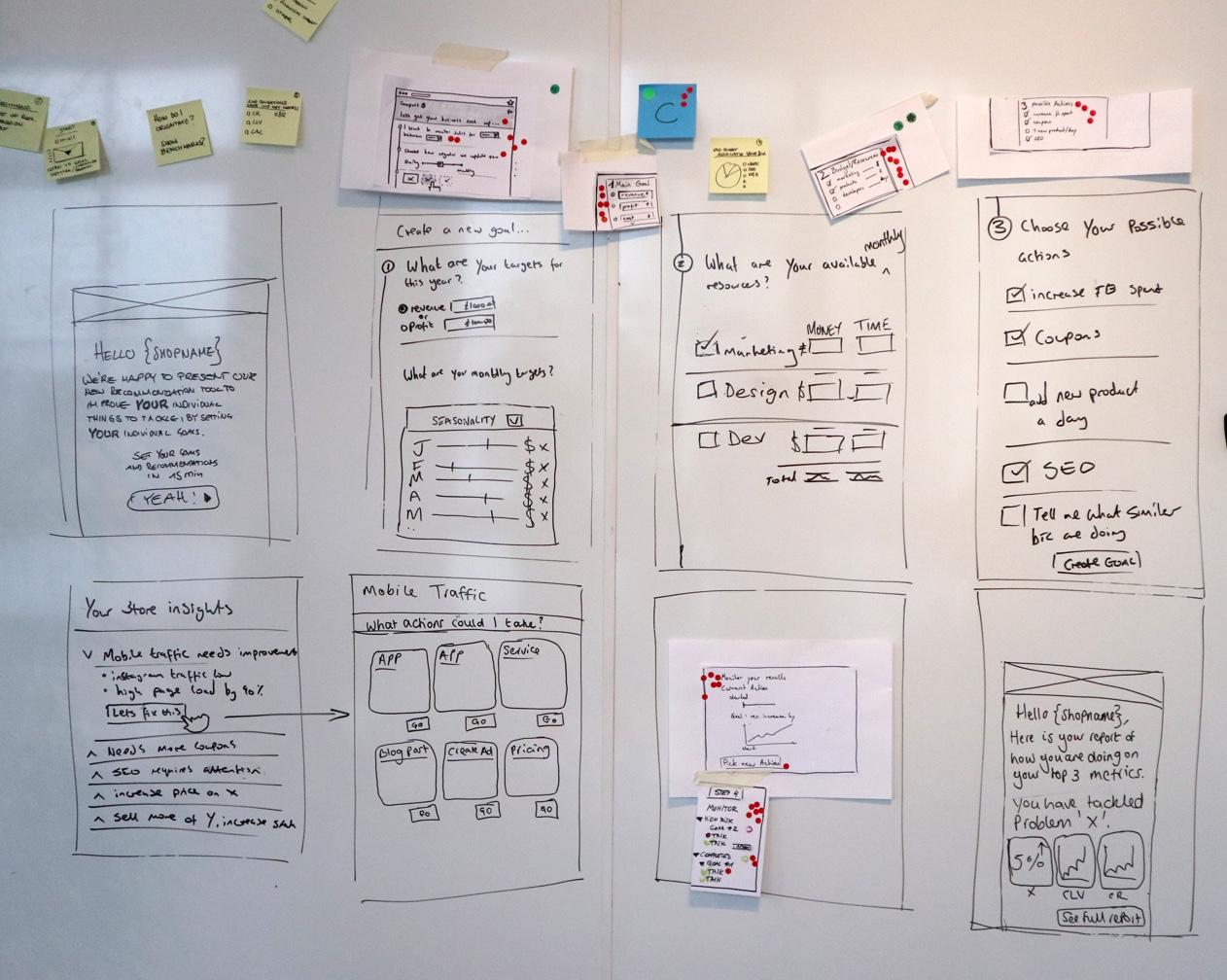
Now everyone on the team gets the chance to go over the sketches from the day before and then vote on which idea to take forward into a prototype.
We map out a detailed user flow that shows, step by step, how the user moves through the product or service.
Today's tasks:
– Vote on solutions
– Set up the user flow and vote
– Build the storyboard
Day three: prototyping the solution
Day three is all about building the prototype. Most of the hands-on work will probably fall to one or two people on the team, while the others help out as needed. Not everyone on the team has to be there.
Today's tasks:
– Build the prototype
– Copywriting, image editing and anything else that comes up
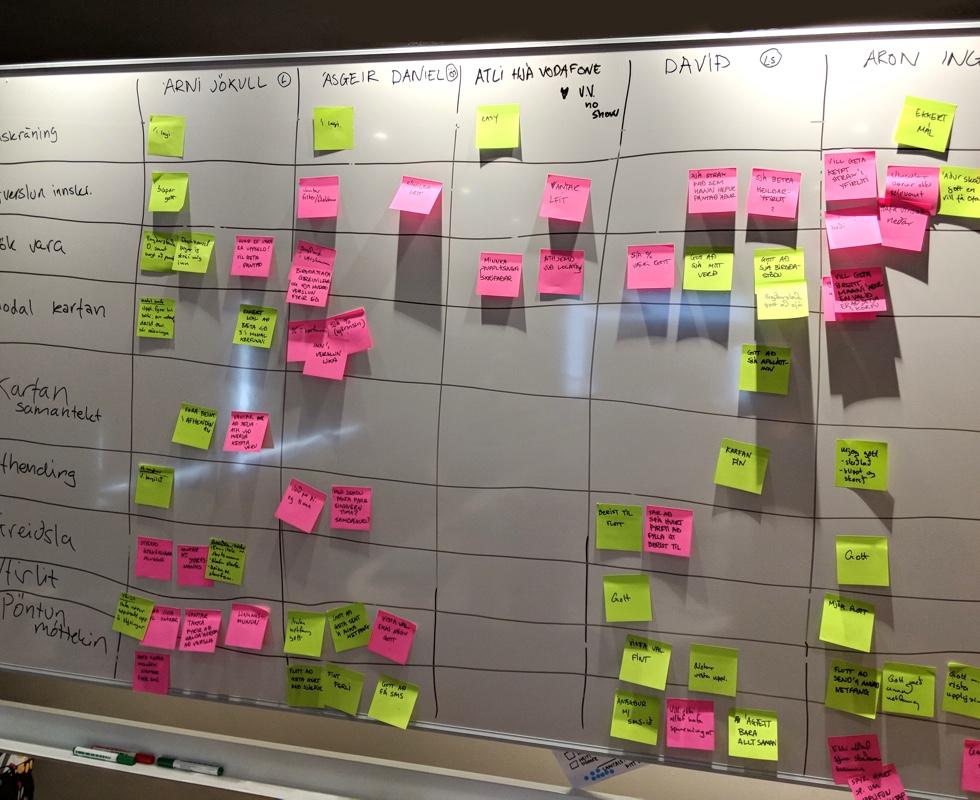
Day four: user testing
Day three is all about building the prototype. Most of the hands-on work will probably fall to one or two people on the team, while the others help out as needed. Not everyone on the team has to be there.
Today's tasks:
– Build the prototype
– Copywriting, image editing and anything else that comes up
Ready, set, sprint!
If you'd like to learn about more methods, or need help running research for your product, don't hesitate to get in touch with us at Júní.